
There is no need to claim that compact gear is transforming every touring studio. The more useful question is practical: if you want to make music away from home, what makes a small setup dependable enough to use repeatedly?
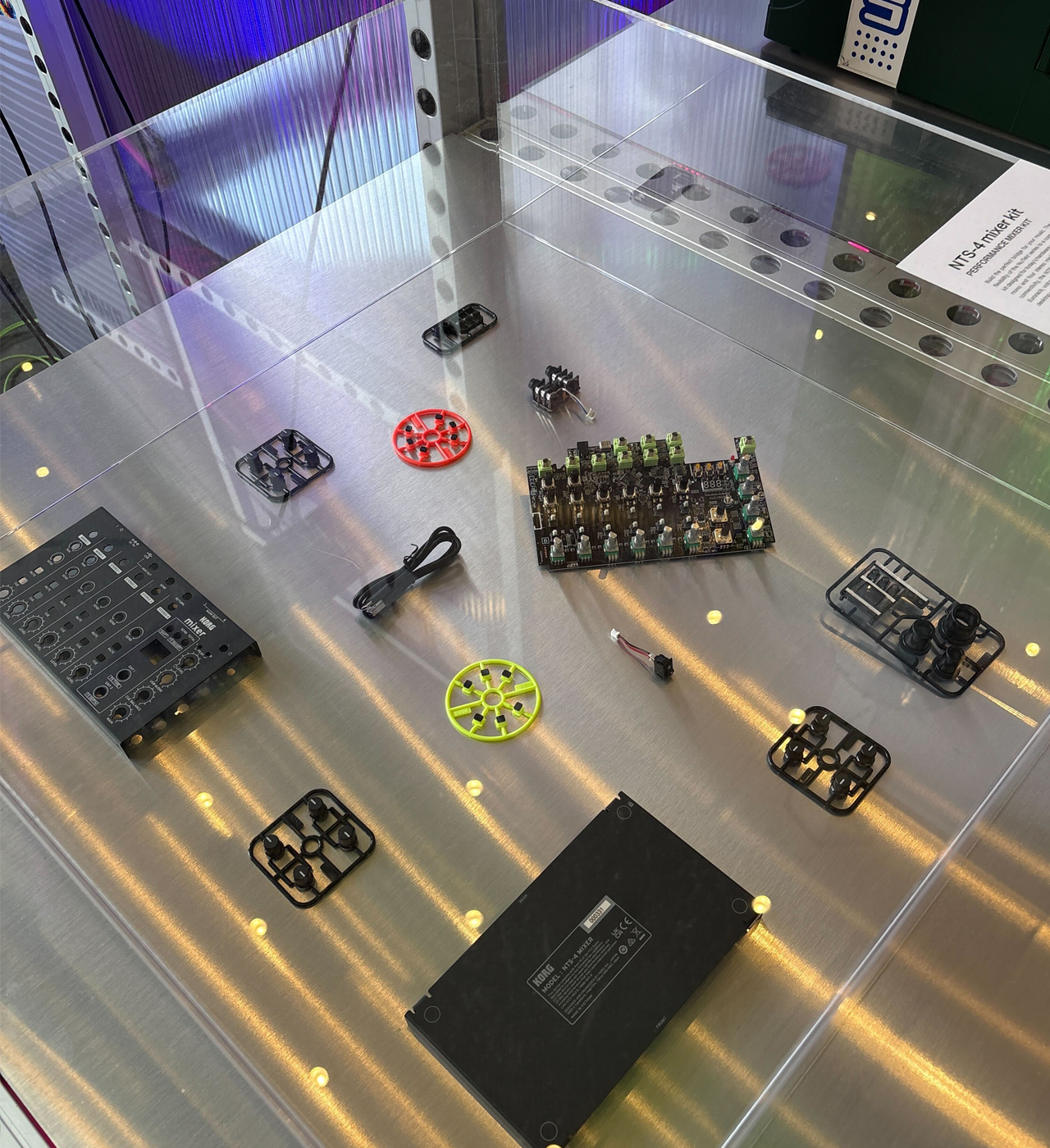
The answer is usually fewer pieces with clearer jobs. A laptop or recorder, headphones, one controller or instrument and a simple way to route audio can be more productive than trying to recreate an entire home studio in a suitcase. Recent hardware like Korg's NTS-4 shows why this category keeps getting more capable, combining multiple compact inputs, cueing, effects and USB connectivity in one small mixer.
Start with the work you actually need to do
A writing setup, a vocal-editing setup and a live-set preparation rig don't need the same equipment. Decide whether the goal is chords, drums, recording, arrangement or performance before deciding what earns space in the bag. That keeps the system intentional and reduces the number of adapters, cables and devices that have to work every time you move rooms.
Make routing boring
Portable systems fail when the signal path changes every session. A small interface or mixer should make it obvious where instruments enter, where you monitor and how the final stereo signal reaches a computer or recorder, the kind of clarity the NTS-4 is built around.
Use limits as part of the design
A small rig can't do everything, and that can be useful. Fewer choices make it easier to start quickly and finish a specific task before the context changes.
The best travel setup is therefore not the smallest collection of gear or the most impressive one. It is the one you can rebuild, understand and actually use without turning every session into troubleshooting.

Fresh New Tunes
We cover new music, live culture and the people shaping electronic music.


