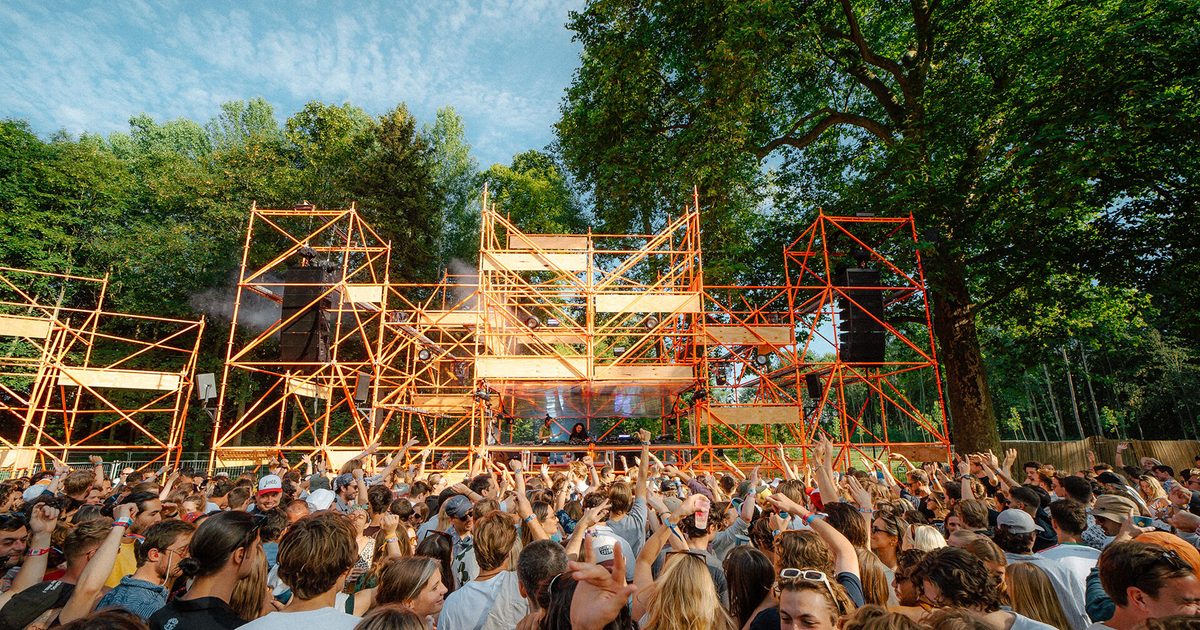
A festival broadcast can look simple to the viewer: cameras point at a stage and the set appears online. Behind that stream, however, the event may contain commercially released recordings, unreleased music, guest performances and visual material controlled by different rights holders.
YouTube says all live streams are scanned for matches to third-party content. Even when a channel has licensed material, the platform warns that the rights owner may need to add the channel to a Content ID allowlist to prevent an interruption.
The archive creates another layer. YouTube says Content ID claims on an archived live stream are made after the live broadcast ends if the video is kept online.
The live window has its own platform risks
YouTube can warn, interrupt or terminate a live stream when its systems identify third-party copyrighted content. The platform specifically notes that licensed content can still create a problem if the channel has not been allowlisted by the relevant Content ID owner.
For a festival or broadcaster, that means permission on paper and platform configuration have to line up. A rights deal is only useful operationally if the systems handling the stream know the use is authorized.
An archive is not just a live stream that stayed online
Once a stream becomes an on-demand replay, Content ID can create claims against matching recordings in the archive. Festivals also have to decide whether artist approvals cover a permanent replay, clipped highlights or only the original live window.
Those questions are especially sensitive in DJ sets, where one performance can contain dozens of recordings and unreleased edits controlled by different people.
Rights planning needs to happen before the cameras roll
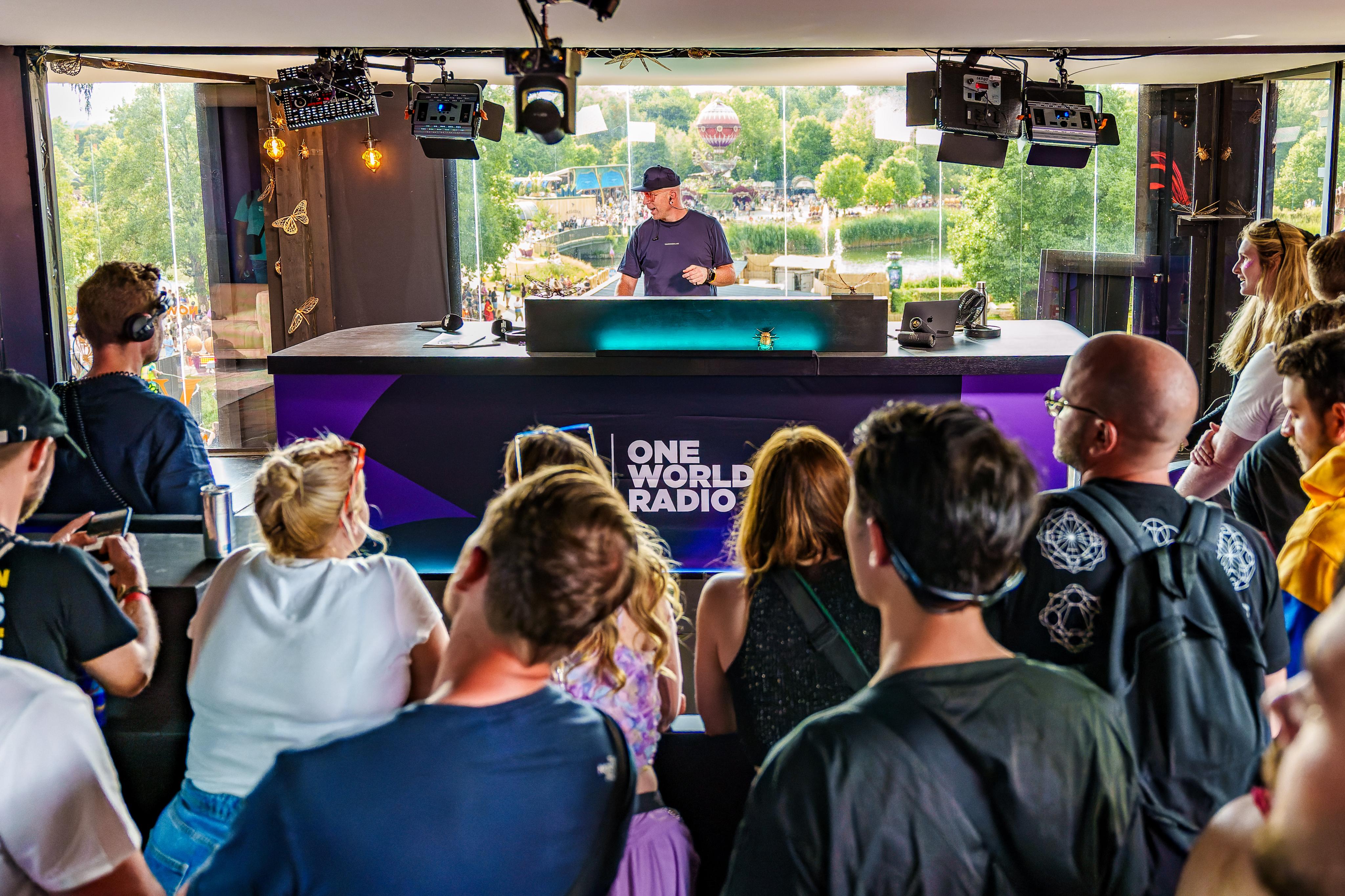
The safest production model is to define territories, live-window permissions, archive duration, clip rights and any track-level restrictions before the event. Teams also need a process for allowlisting or removing material when a rights holder requests it.
This is an editorial overview, not legal advice. The practical point is that a successful festival stream depends on rights operations as much as cameras and bandwidth, especially when the footage is meant to live beyond one night.

Fresh New Tunes
We cover new music, live culture and the people shaping electronic music.