
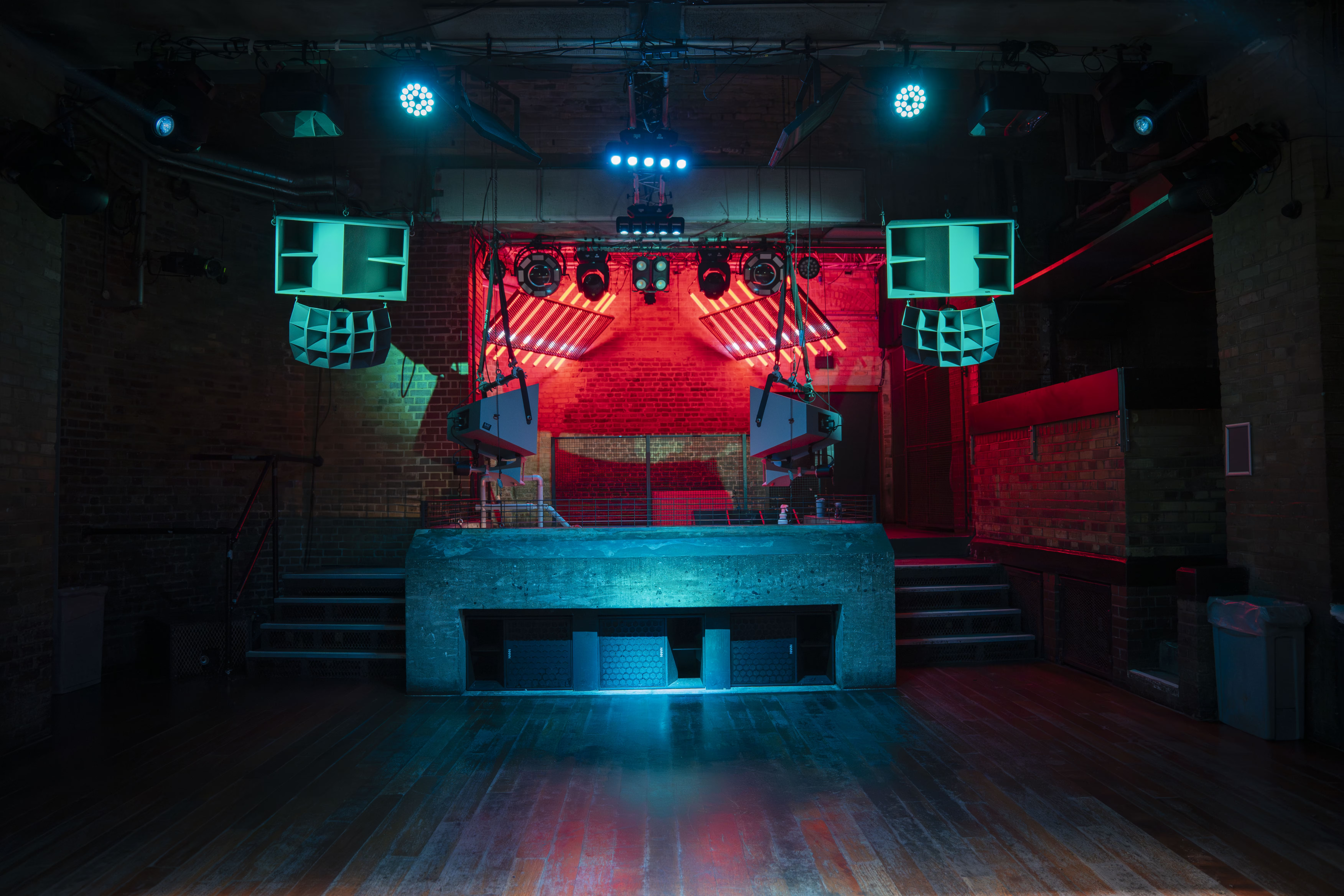
A powerful sound system cannot fully compensate for a room that reflects energy unevenly or turns the low end into a blur. Loudspeakers and architecture behave as one system once the room fills with sound.
That is why tuning matters: measurement, placement, delay timing and acoustic treatment can reduce extreme differences across the floor and make impact feel more controlled rather than simply louder.
The room is part of the system
Walls, ceilings, balconies and empty corners all change how sound arrives. Reflections can exaggerate some frequencies and cancel others, creating areas where the mix feels harsh, hollow or overwhelmingly bass-heavy.
Treating the room as part of the system means measuring those interactions and placing speakers, delays and acoustic treatment around the actual geometry rather than an ideal diagram.
Consistency matters more than one perfect spot
A system should not only sound impressive at front-of-house. The experience needs to remain coherent near the bar, at the sides and toward the back, even if every position cannot be identical.
Modern prediction and measurement tools help engineers reduce extreme differences. The benefit is musical: DJs can play with dynamics because quieter details do not disappear outside one narrow sweet spot.
Better does not simply mean louder
When a room is controlled, perceived impact can increase without adding the same amount of level. Cleaner transients and more even bass allow the body to feel the system while the ears work less hard to separate the mix.
That makes tuning part of hospitality as much as technology. A venue that sounds clear for a full night gives people a reason to stay, return and trust the room before they even know who is playing.

Fresh New Tunes
We cover new music, live culture and the people shaping electronic music.


